Droopy skin lifting in Seoul refers to non-surgical treatment approaches that may be considered for visible skin laxity, mild to moderate sagging, or age-related changes in facial definition. At Dami Skin Clinic Seoul, treatment planning should begin with a consultation so a qualified clinician can review your concerns, examine your skin, and discuss whether droopy skin lifting treatment may be appropriate for you.
Results and recovery can vary from patient to patient. The most suitable approach depends on factors such as skin quality, degree of laxity, treatment history, and overall goals. For that reason, a careful assessment is important before choosing any treatment.
Droopy Skin Lifting Treatment Overview
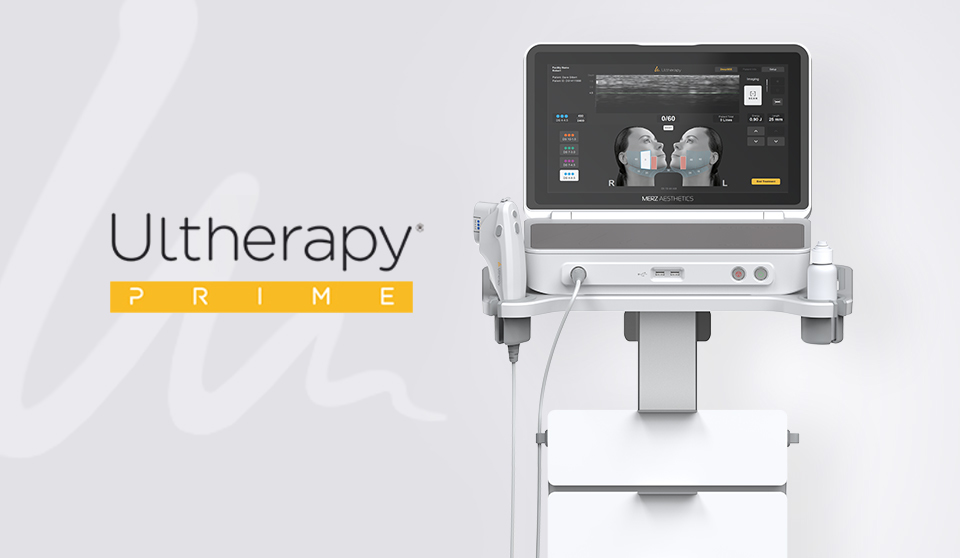
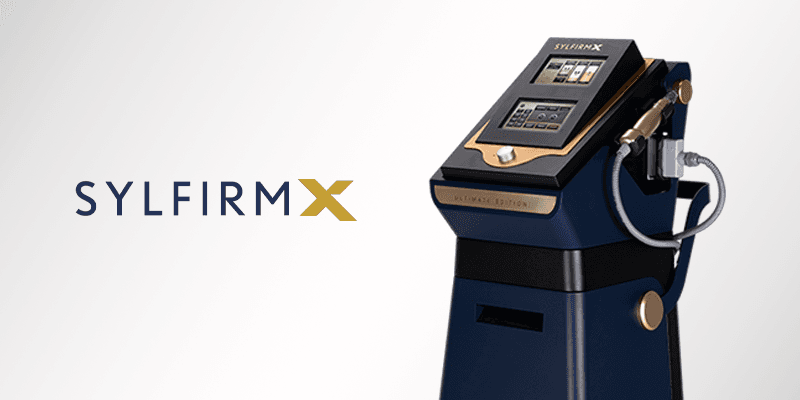
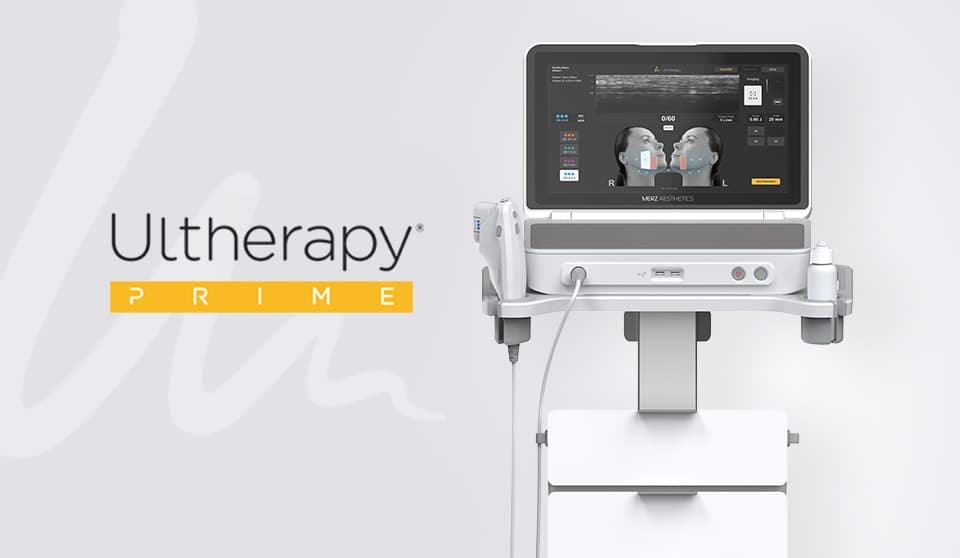
Droopy skin lifting treatment may involve non-surgical technologies intended to support skin tightening or improve the appearance of sagging tissue. Depending on the clinical assessment, a doctor may discuss options such as ultrasound-based or radiofrequency-based treatment. These approaches are generally used with the goal of stimulating tissue response beneath the skin, but not every patient is an ideal candidate for every method.
A consultation is important because visible sagging can have different causes. In some cases, skin laxity may respond to non-surgical treatment. In others, a different treatment plan, staged approach, or referral may be more appropriate.
Who May Be a Candidate for Droopy Skin Lifting?
Patients may be candidates for droopy skin lifting treatment if they are concerned about early or moderate skin laxity, softening jawline definition, or a tired appearance related to sagging skin. Candidacy depends on individual variation, including skin thickness, degree of drooping, age-related changes, and prior procedures.
A clinician may also review your medical history, current skin condition, and expectations. Patients with significant laxity, active skin irritation, certain medical conditions, or other contraindications may need a different plan or may be advised to delay treatment until it is medically appropriate.
Consultation and Treatment Process
Before treatment, patients should have a consultation to discuss goals, examine the treatment area, and review possible benefits and limitations. This visit may include screening for factors that could affect safety, comfort, or expected response.
If treatment is appropriate, the clinician may explain how the selected method works, what areas may be treated, and what you may experience during the session. The exact process can vary depending on the technology used and the treatment plan recommended for your skin. Some patients describe a warming or tightening sensation during treatment, but comfort levels can differ.
Because droopy skin lifting treatment is individualized, the number of sessions, spacing, and follow-up plan should be discussed directly during consultation rather than assumed in advance.
Safety, Limitations, Side Effects, and Contraindications
Droopy skin lifting treatment may be suitable for some patients, but it is not appropriate in every case. A qualified clinician should review possible limitations, expected response, and whether your concerns are likely to improve with a non-surgical approach.
Possible side effects can include temporary redness, swelling, tenderness, sensitivity, or a feeling of tightness in the treated area. Depending on the treatment used, some patients may notice short-term discomfort or skin reactivity. More specific risks and contraindications should be reviewed during consultation, especially if you have a history of skin sensitivity, recent procedures, implanted devices, or active skin conditions.
No treatment should be presented as guaranteed, permanent, or free of side effects. Individual response can vary, and follow-up may be recommended to assess progress and next steps.
Aftercare and Follow-Up Expectations
Aftercare instructions depend on the treatment method used and your skin’s response. Patients may be advised to protect the skin, avoid unnecessary irritation, and monitor the area for any unexpected changes. Your clinician should explain what is normal after treatment, when to resume usual skincare or activities, and when to contact the clinic.
Follow-up can be an important part of care. It allows the clinician to review healing, discuss whether further treatment is appropriate, and adjust the plan based on your response.
Book a Consultation
If you are considering droopy skin lifting in Seoul, the next step is a consultation. A clinician at Dami Skin Clinic Seoul can assess your skin, explain suitable treatment options, review possible side effects and limitations, and help you decide whether treatment is appropriate for your needs.