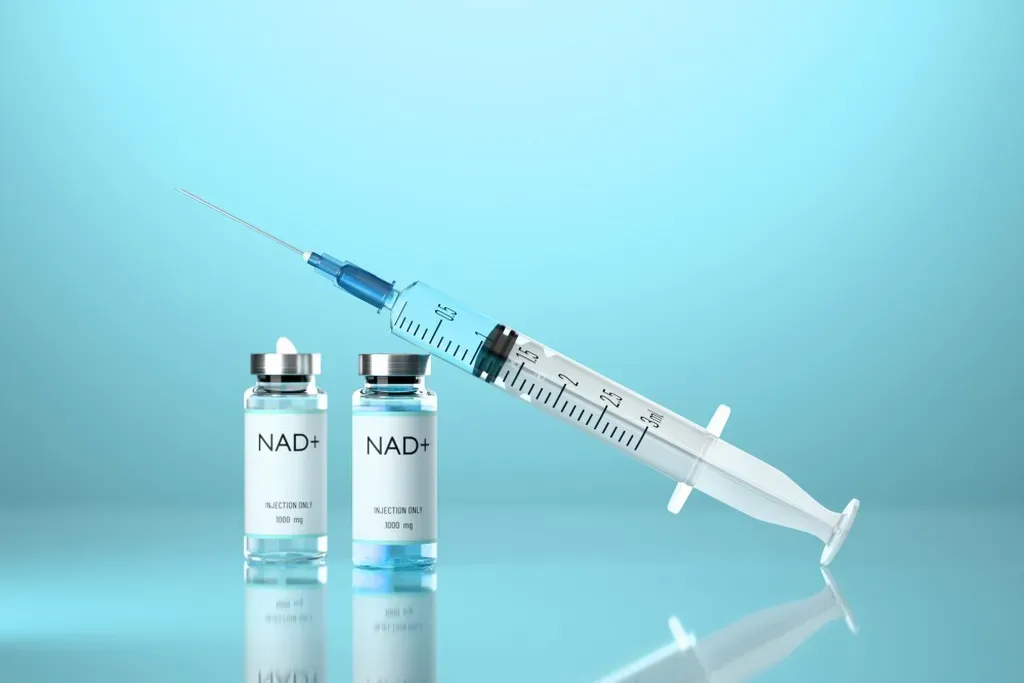
Fatigue Recovery IV Korea in Seoul refers to an intravenous treatment approach that may include fluids, vitamins, and other supportive ingredients selected during a medical consultation. Patients may explore this treatment when dealing with tiredness, low energy, travel-related fatigue, demanding schedules, or recovery needs that should first be reviewed by a qualified clinician. Because fatigue can have many possible causes, a proper consultation is important before deciding whether this treatment is appropriate.
Fatigue Recovery IV treatment overview
Fatigue Recovery IV treatment is generally designed to deliver fluids and selected ingredients directly through an intravenous line under clinical supervision. The exact formulation can vary based on the clinic's assessment, the patient's symptoms, medical history, and whether the treatment is considered suitable after screening. This type of treatment is not a substitute for diagnosing the underlying cause of persistent fatigue, and patients with ongoing or unexplained symptoms should seek medical evaluation.
Who may be a candidate for Fatigue Recovery IV treatment?
Some patients may be considered for Fatigue Recovery IV treatment if they are experiencing temporary fatigue, dehydration concerns, travel-related exhaustion, or general low energy that a clinician believes may benefit from supportive IV care. However, candidacy depends on individual factors such as current symptoms, medications, allergies, pregnancy status, chronic conditions, and overall health. A consultation helps determine whether treatment may be appropriate or whether further medical assessment is more suitable.
Consultation and treatment process
The process usually begins with a consultation and screening review. During this visit, a clinician may ask about symptoms, recent illness, hydration, sleep, travel, medications, and relevant medical history. If the patient is considered a suitable candidate, the treatment plan may be discussed, including what the IV may contain, how it is administered, and what monitoring is recommended during the visit.
During the procedure, an intravenous line is placed and the selected fluids or supportive ingredients are administered over a monitored period. Patients are typically observed during treatment so the clinical team can respond if discomfort or side effects occur. The exact experience can vary from one patient to another.
Safety, limitations, side effects, and contraindications
Fatigue Recovery IV treatment may not be suitable for everyone. Possible limitations and contraindications can include certain medical conditions, sensitivity to ingredients, fluid balance concerns, vein access issues, or situations where fatigue may signal an underlying condition that needs diagnosis rather than supportive treatment alone.
Possible side effects can include bruising, soreness, swelling, irritation at the injection site, lightheadedness, nausea, or other reactions depending on the patient and the ingredients used. More significant concerns, while less common, should still be discussed during consultation. Patients should tell the clinic promptly if they feel unwell during or after treatment. Individual variation matters, and doctor guidance is important.
Aftercare and follow-up expectations
After treatment, patients may be advised to continue hydration, monitor how they feel, and follow any clinic-specific aftercare instructions. Some patients may feel ready to return to normal activities soon after the visit, while others may prefer to rest depending on how they feel and the reason for treatment. If symptoms persist, worsen, or return, follow-up may be recommended so a clinician can reassess whether further evaluation is needed.
When to book a consultation
If you are considering Fatigue Recovery IV Korea in Seoul, the next step is a consultation. A clinician can review your symptoms, discuss whether this treatment may be appropriate, explain possible side effects and limitations, and help you decide on suitable next steps based on your individual health situation.