Love this Clinic! My husband got lifting and his skin looks amazing now, plus they have some snaks and English translator for your consultation 🫶🏻.
7 months agoLast updated:

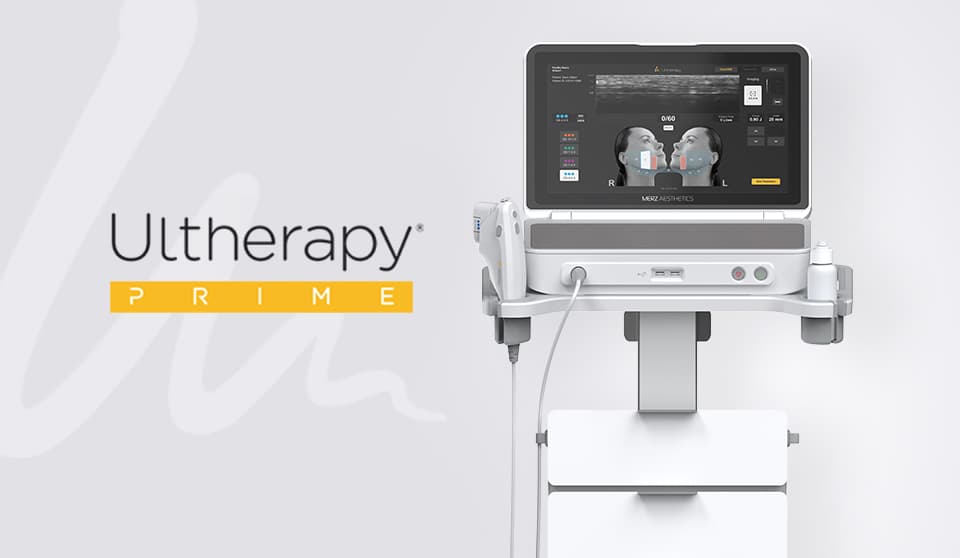
Skin tightening in Seoul is often considered by patients who want to discuss non-surgical options for mild to moderate skin laxity. Depending on the treatment method, skin tightening may use energy-based technology to support tissue contraction or stimulate changes in the skin over time. Because skin quality, degree of laxity, and treatment goals vary, the most appropriate approach should be decided during a clinical consultation.
At Dami Skin Clinic in Seoul, skin tightening is approached as a consultation-led treatment rather than a one-size-fits-all service. Some patients ask about concerns involving the jawline, cheeks, neck, or other areas where the skin may appear less firm. Others want to understand whether a non-surgical option may be reasonable before considering more invasive procedures. A clinician can assess the treatment area, review your medical history, and explain whether skin tightening may be suitable for your needs.
Skin tightening is not the same as surgery, and it may not be appropriate for every type or degree of sagging. In some cases, a patient may be a reasonable candidate for an energy-based treatment. In other cases, the concern may be better managed with a different plan, delayed treatment, or no treatment until certain skin or medical issues are addressed. This is why screening and individual assessment matter.
Patients often want to know what skin tightening may help with, what the process involves, and what to expect afterward. In general, consultation may cover:
It is also important to understand that skin tightening may not produce the same response in every patient. Factors such as skin thickness, baseline laxity, age-related changes, prior procedures, and overall skin condition can influence what may be realistic. A careful consultation helps set expectations and reduces the chance of choosing a treatment that does not match the concern.
Love this Clinic! My husband got lifting and his skin looks amazing now, plus they have some snaks and English translator for your consultation 🫶🏻.
7 months agoI recently visited Dami Clinic and had a really great experience! The staff were extremely kind and welcoming, which made me feel very comfortable from the beginning. The doctor was not only kind but also very professional, explaining everything clearly and carefully. I especially enjoyed my Sylfirm X treatment, which helps with redness and pores. The whole process was smooth. I would definitely recommend Dami Clinic to anyone looking for professional skin care with a warm and friendly atmosphere! 🌸
9 months agoMy experience was amazing! I really loved the Body ONDA treatment on my arms — I could see and feel a difference right away. ✨ I definitely recommend trying it if you visit this clinic! 👌
3 weeks agoi wanted to wait a little bit and see rhe results and omg my skin is perfect thanks to this clinic ! my skin is sooo smooth and shiny 🥺 the staff is super nice and can speak english. i definitely recommend it especially if it's your first time in a korean clinic 😊 also darkskin friendly 🌸✨
8 months agoAfter getting Rejuran, my makeup stopped looking patchy and flaky as much as before. My skin texture feels a lot smoother and more refined now, so I'm honestly really satisfied with the results!
2 weeks agoIf you are researching skin tightening in Seoul, this page is designed to help you understand candidacy, the consultation process, safety considerations, aftercare, and when to speak with a qualified clinician. The goal is not to promise a result, but to help you make an informed decision about whether a consultation may be the right next step.
Skin tightening may be worth discussing during a consultation if you are:
A consultation is especially important because not every patient with loose or sagging skin is an ideal candidate for the same treatment. The degree of laxity, skin quality, medical history, and prior procedures can all affect suitability.
Some patients may need added caution, postponement, or a different treatment plan. For example, active skin irritation, certain medical conditions, recent procedures, implanted devices in some cases, pregnancy-related considerations, or unrealistic expectations may need to be reviewed before proceeding. If your concern is more advanced, your clinician may also explain the limitations of non-surgical skin tightening and whether another option should be considered.
Your skin tightening visit may include several steps, depending on your concerns, the area being treated, and whether an energy-based approach is appropriate for your skin.
A consultation usually comes first. During this discussion, the clinician may ask about the changes you have noticed, the areas that concern you, your medical history, and any previous cosmetic or dermatology treatments. This helps guide screening and determine whether skin tightening is a reasonable option or whether another approach may need to be considered.
Your appointment may also include a skin assessment. This can involve reviewing skin laxity, texture, thickness, sensitivity, and the treatment area. Based on this assessment, the clinician may explain which type of device-based treatment may be suitable, what the treatment is intended to address, and what its limitations may be.
If treatment goes ahead, the process can vary by method. The clinician may prepare the skin, mark the treatment area if needed, and deliver energy in a controlled way across the planned area. Some patients notice warmth, tingling, or temporary sensitivity during treatment, but the exact experience can vary.
Before you leave, you may receive aftercare guidance, information on what changes to monitor, and advice on whether follow-up is recommended.
Skin tightening is a non-surgical treatment, but it is still a medical procedure that should be approached carefully. Not every patient is an ideal candidate, and not every concern can be addressed with the same method.
During consultation, your clinician may review your skin condition, treatment history, general medical history, and the area you want to address. This helps identify whether treatment may be appropriate, whether a different option should be considered, or whether treatment should be delayed.
Possible side effects can vary by treatment method and by individual response. Depending on the approach used, patients may experience temporary redness, swelling, warmth, tenderness, dryness, or sensitivity in the treated area. Some patients may have a short period of visible irritation, while others may notice very little downtime. More significant reactions may be less common but should still be discussed before treatment.
There are also limitations to consider. Skin tightening may not be suitable for severe laxity, and it may not address every concern a patient has about contour or aging changes. Certain skin conditions, recent procedures, implanted devices in some cases, or other medical factors may affect candidacy. A qualified clinician can explain these considerations in more detail during screening.
Aftercare instructions can vary depending on the treatment method used, the area treated, and your skin's response. Your clinician may advise you on how to care for the skin after treatment, which products or activities to avoid for a period of time, and when normal routines can be resumed.
Some patients may notice temporary redness, warmth, swelling, tenderness, or sensitivity after treatment. These effects can vary in intensity and duration. It is important to follow the clinic's guidance rather than assuming all skin responds the same way.
You may also be advised to monitor the treated area for any unexpected changes and to contact the clinic if symptoms seem unusual, worsen, or do not improve as expected. Follow-up may be recommended to review your response, discuss whether additional sessions should be considered, and make sure the treatment plan remains appropriate for your goals and skin condition.
Some patients who ask about skin tightening may also want to discuss related options during consultation, depending on their skin concerns, degree of laxity, and treatment goals.
A consultation can help clarify which approach may be suitable, what each option is designed to address, and what limitations should be considered before proceeding.
If you are considering skin tightening in Seoul, a consultation is the best place to start. A clinician can review your concerns, assess the treatment area, explain possible options, and discuss whether an energy-based treatment may be appropriate for your skin and goals.
Because candidacy, treatment method, side effects, and aftercare can vary, an individual assessment is important before making a decision. If you would like medical guidance on whether skin tightening may suit your needs, contact Dami Skin Clinic to arrange a consultation.
Recovery after skin tightening can vary depending on the treatment method, the area treated, and your individual skin response. Some patients may return to normal routines quickly, while others may prefer a short period of reduced activity or simplified skincare if the skin feels sensitive.
Your clinician may explain what is typical after your specific treatment, what temporary reactions may occur, and what signs should prompt a call to the clinic. Follow-up may be recommended if you have questions about healing, if the treated area feels more irritated than expected, or if your clinician wants to review your response before discussing any next steps. Clear aftercare and follow-up guidance can help patients make informed decisions and know when to seek medical advice.
Skin tightening may be discussed by patients with mild to moderate skin laxity who want to explore a non-surgical option. Candidacy depends on the treatment area, skin quality, medical history, and the degree of laxity. A consultation is the best way to determine whether this type of treatment may be appropriate.
Some patients may need additional screening, delayed treatment, or a different approach. This can include patients with active skin irritation, certain medical conditions, recent procedures, or other factors that may affect healing or suitability. Your clinician can review these points during consultation.
During consultation, a clinician may ask about your concerns, how long you have noticed changes, any previous treatments, and relevant medical history. The treatment area may be assessed, and you may be advised whether skin tightening appears suitable, what limitations to keep in mind, and what aftercare or follow-up may be involved.
The treatment plan is usually based on the area being treated, the degree of skin laxity, your skin condition, and your goals. Because individual variation matters, the clinician may recommend one approach, suggest a staged plan, or advise that another option may be more appropriate.
The exact process can vary by method. In general, the visit may include skin assessment, preparation of the treatment area, delivery of the selected treatment, and review of aftercare instructions. Your clinician can explain what applies to your case before treatment begins.
The timeline can vary depending on the treatment method and individual response. Some patients notice early changes, while others may notice more gradual changes over time. Because response differs from person to person, your clinician should discuss realistic expectations during consultation.
Possible side effects depend on the treatment used and your skin's response. Temporary redness, swelling, warmth, tenderness, dryness, or sensitivity may occur. Your clinician should explain common side effects, warning signs to watch for, and when to contact the clinic after treatment.
Aftercare can vary by treatment method. You may be advised how to cleanse the area, which products or activities to avoid for a period of time, and when regular routines may be resumed. Following the clinic's instructions is important because aftercare needs can differ between patients.
Some patients may be advised to return for follow-up so the clinician can review the skin response, answer questions, and discuss whether any further care should be considered. Follow-up recommendations depend on the treatment method, the area treated, and your individual progress.
If you are considering skin tightening in Seoul, the next step is a consultation. A qualified clinician can assess your skin, explain suitable options, review possible side effects, and help you decide whether this treatment matches your goals. Contact Dami Skin Clinic Seoul to arrange a consultation.

What are you interested in:
Working Hours:
Monday/Wednesday/Thursday : 10:00 – 19:00
Tuesday/Friday : 10:00 – 21:00
Saturday : 10:00 – 15:00
Lunch Break : 13:00 – 14:00
Last appointment is one hour before closing.
When using the subway
From Saetgang Station (Line 9 or Sillim Line)
Walk straight out of Exit 2 until you reach a corner. It is the building on the other side of the street on your left. Got to the black door on the left of the Mammoth Coffee place and go up to 9TH FLOOR.