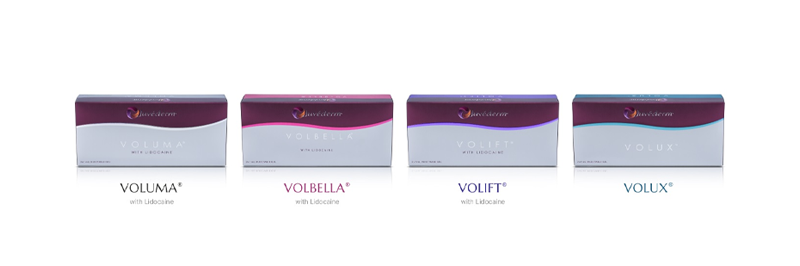
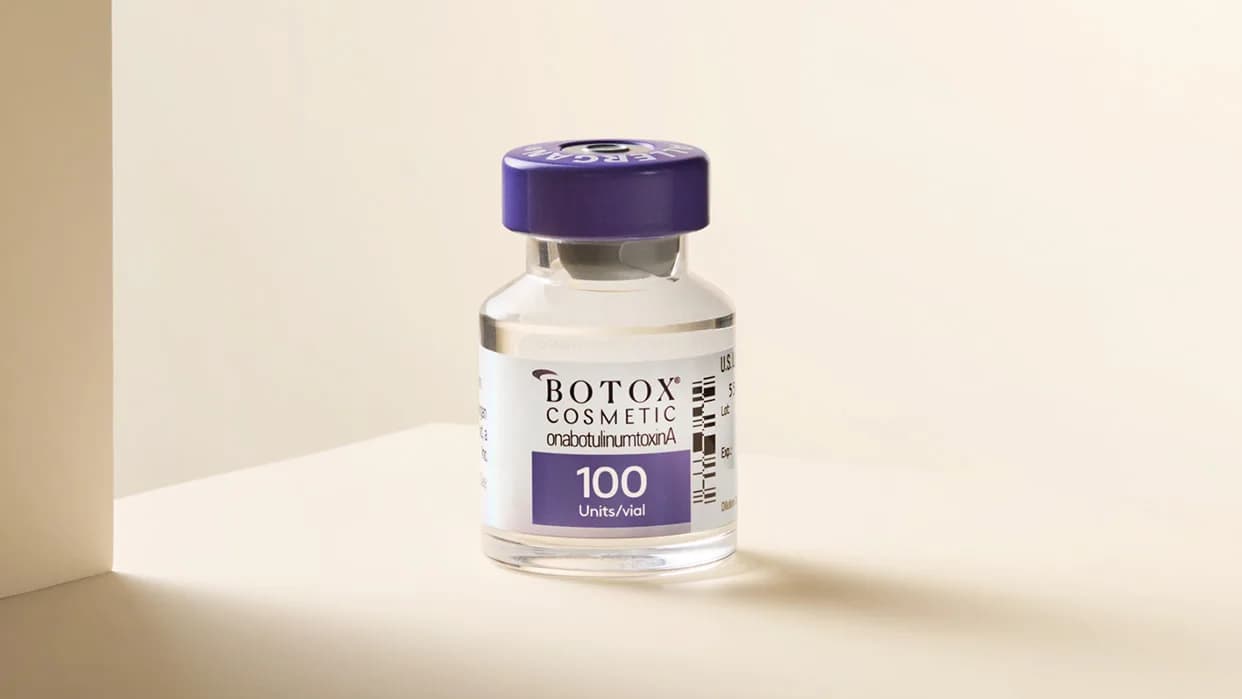
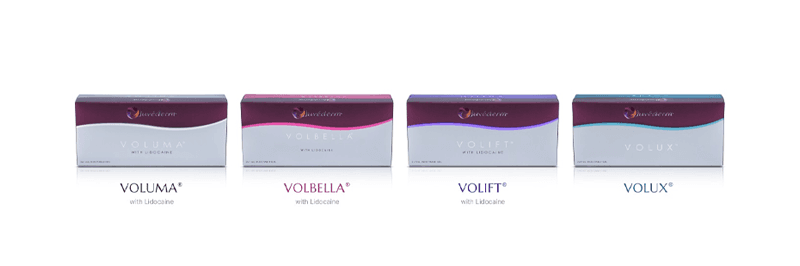
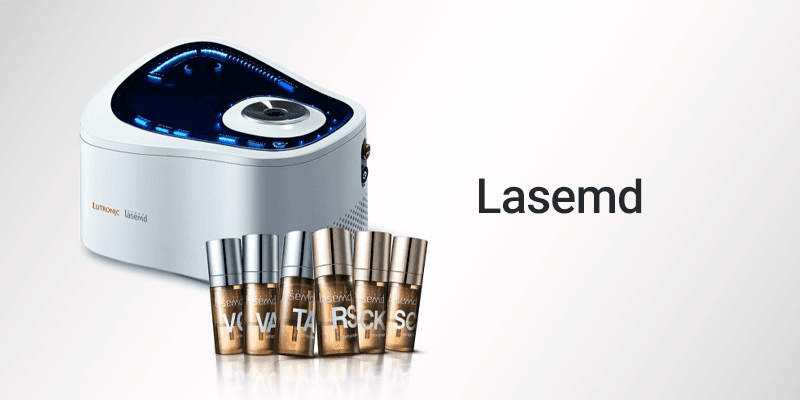
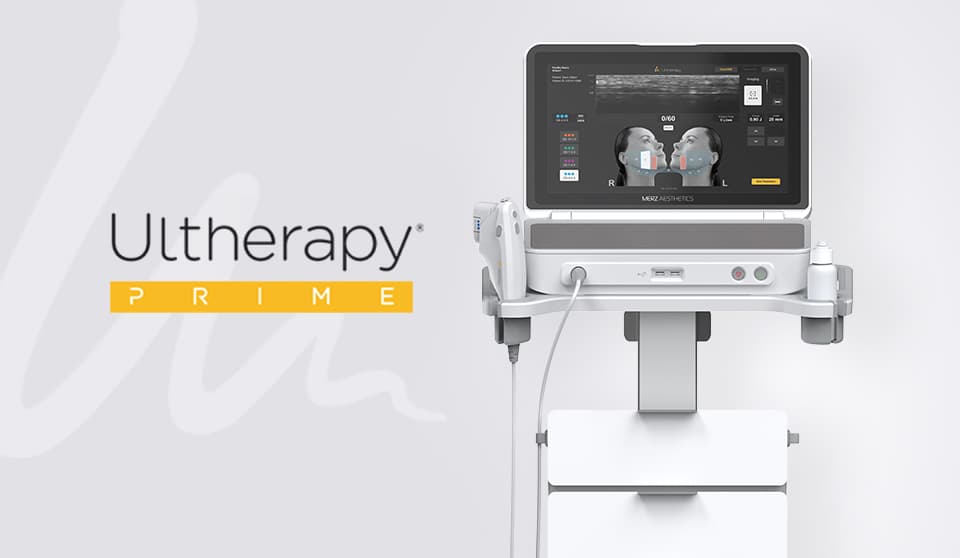
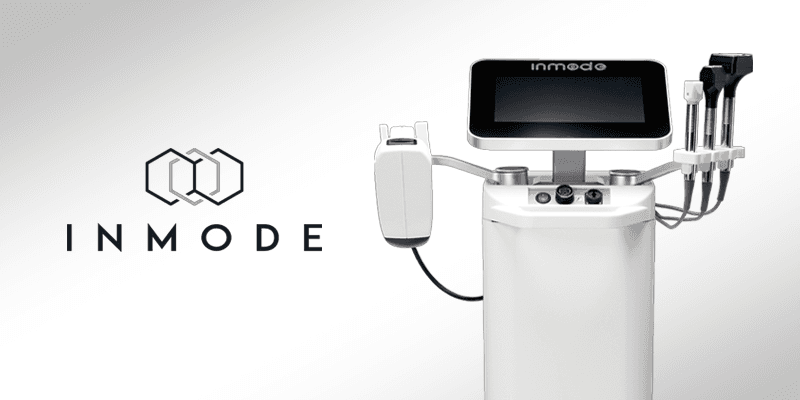
Smile line correction in Seoul refers to treatment options that may help soften the appearance of nasolabial folds, often called smile lines. At a clinic, treatment is typically considered after an individual assessment of facial anatomy, skin quality, volume loss, and overall treatment goals. Depending on the patient, options may include dermal fillers, collagen-stimulating treatment, or a combination approach recommended under doctor guidance.
Smile lines can become more noticeable with age, facial movement, changes in skin support, and volume loss in the mid-face or lower face. Because the cause can vary from one patient to another, treatment planning should be individualized rather than based on a one-size-fits-all approach. A consultation can help clarify whether smile line correction is appropriate, what method may be considered, and what limitations to keep in mind.
Smile Line Correction Treatment Overview
Smile line correction is not a single technique. In clinical practice, it may involve adding support to areas that contribute to fold depth, improving contour, or selecting a staged approach when a conservative plan is more appropriate. Some patients may be suitable for direct correction of the fold, while others may benefit from treatment in nearby structural areas depending on the assessment.
The goal of treatment is usually to improve balance and soften the appearance of the lines in a way that fits the patient's features. Individual variation is important, and not every fold can or should be fully corrected.
Who May Be a Candidate for Smile Line Correction?
Patients may be candidates if they are concerned about visible smile lines, age-related volume changes, or facial folds that affect overall facial balance. Suitability depends on factors such as skin condition, fold depth, prior treatment history, medical history, and whether expectations are realistic.
A consultation is especially important for patients who are unsure whether they need filler-based support, collagen-stimulating treatment, or a different approach. In some cases, treatment may be deferred if the concern is better addressed with another plan or if there are reasons to avoid treatment at that time.
Consultation and Treatment Process
A consultation typically begins with a review of the patient's concerns, medical history, and previous aesthetic treatments. The clinician may assess facial movement, symmetry, skin quality, and the structural causes contributing to smile lines. This helps determine whether treatment may be appropriate and which approach may be considered.
If treatment proceeds, the process can vary depending on the product or method selected. The area is usually assessed carefully, and treatment is performed according to the individualized plan. Some patients may be advised to take a gradual approach, especially when a conservative correction is preferred.
Safety, Limitations, Side Effects, and Contraindications
Smile line correction should be approached carefully because the mid-face and lower-face areas require thoughtful assessment and technique. As with many injectable treatments, there can be limitations, and treatment may not be suitable for every patient.
Possible side effects can include swelling, tenderness, redness, bruising, or temporary asymmetry. Depending on the treatment used, there may also be delayed settling or the need for reassessment. Patients should discuss allergies, previous reactions, active skin concerns, pregnancy or breastfeeding status, medications, and relevant medical conditions during consultation so the clinic can advise on suitability.
It is also important to understand that treatment aims to improve appearance, not guarantee a specific result. The degree of change can vary, and follow-up may be recommended if review is needed.
Aftercare and Follow-Up After Smile Line Correction
Aftercare guidance depends on the treatment performed. Patients are usually advised to follow the clinic's instructions closely, monitor the area, and avoid unnecessary pressure or irritation if advised by the clinician. Mild short-term swelling or bruising may occur, and patients should know what is expected versus what should prompt earlier contact with the clinic.
Follow-up can be helpful to review how the area is settling, discuss any concerns, and decide whether additional treatment is appropriate. Recovery and visible change can vary by patient and by treatment type, so individualized guidance matters.
Book a Consultation
If you are considering smile line correction in Seoul, a consultation can help you understand whether treatment may be suitable for your concerns, what options may be considered, and what risks or limitations should be discussed before proceeding.