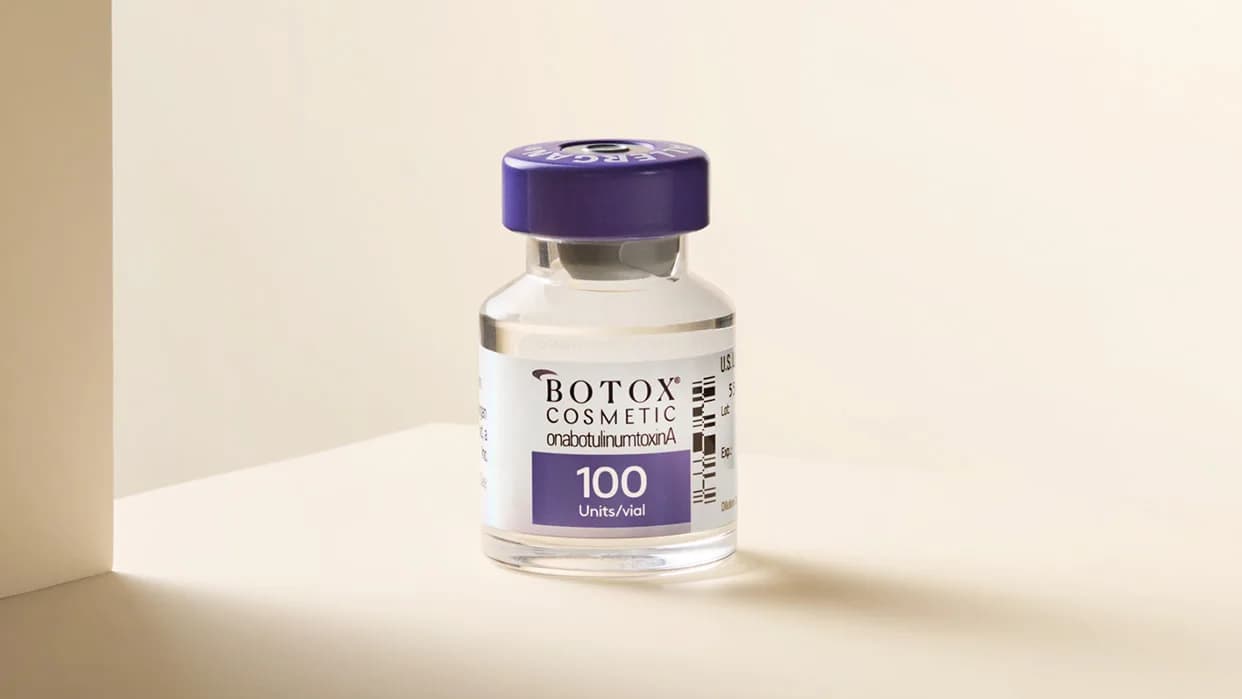
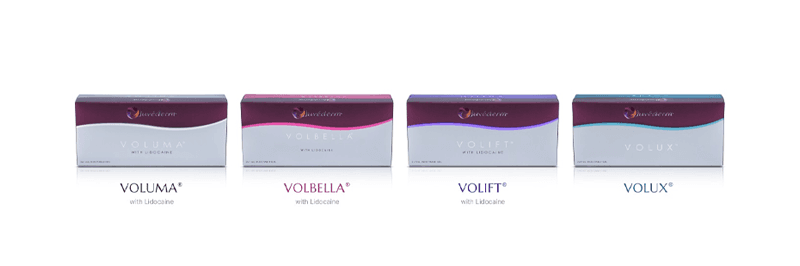
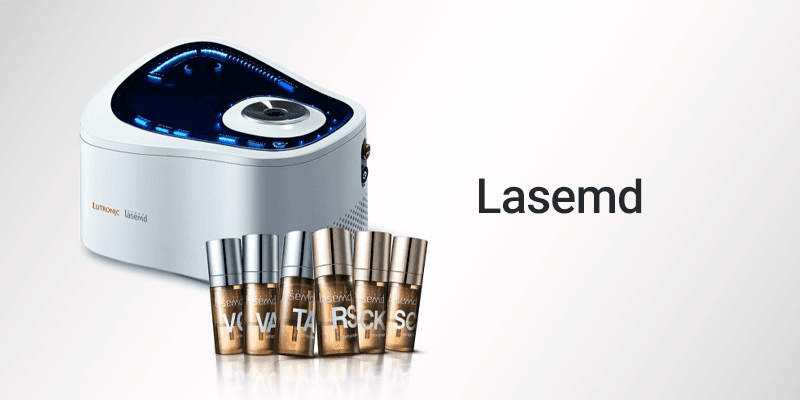
Volume Loss Treatment in Seoul may be considered when age-related changes, weight changes, or natural facial anatomy contribute to a hollow, tired, or less supported appearance. Depending on the area being assessed, treatment may involve fillers, collagen-stimulating injections, or a combination approach. Because facial volume loss can affect balance, contour, and support differently from one patient to another, a consultation is important before deciding whether treatment may be appropriate.
Volume Loss Treatment: Medical Context and Goals
Facial volume loss can develop gradually over time and may affect areas such as the cheeks, temples, under-eye region, jawline, or around the mouth. In some patients, the concern is reduced structural support. In others, it is a change in contour or a more fatigued appearance. Treatment is generally planned according to facial anatomy, skin quality, and the pattern of volume change seen during assessment.
The goal of volume loss treatment is not to promise a specific look, but to evaluate whether restoring support or contour may be appropriate in a careful, medically guided way. Individual variation matters, and not every patient is a suitable candidate for every treatment option.
Who May Be a Candidate for Volume Loss Treatment
Patients may consider volume loss treatment if they have noticed hollowing, flattening, reduced facial support, or changes in contour that they would like assessed by a qualified clinician. Suitability depends on the area being treated, overall health, medical history, skin condition, and treatment goals.
A consultation may be especially important if a patient has had prior facial procedures, previous filler treatment, active skin concerns, allergies, is pregnant or breastfeeding, or has a medical condition that could affect treatment planning. In some cases, treatment may be deferred or another approach may be discussed.
Consultation and Treatment Process
A consultation typically begins with a review of the patient’s concerns, medical history, and previous treatments. The clinician may assess facial proportions, movement, skin quality, and the pattern of volume loss to determine whether treatment may be appropriate and which approach may be considered.
If treatment is suitable, the process can vary depending on the product and area involved. The clinician may explain the planned injection points, expected short-term recovery considerations, and possible follow-up needs. Some patients may be treated on the same day, while others may be advised to consider their options first or return after further planning.
Safety, Limitations, Side Effects, and Contraindications
Volume loss treatment should be approached carefully and with appropriate screening. As with many injectable treatments, possible side effects can include swelling, redness, tenderness, bruising, or temporary asymmetry. Some effects may settle over time, but patients should be informed in advance that individual responses can vary.
There are also limitations. Treatment may not be appropriate for every concern, and some patients may need a staged approach rather than a single session. Certain medical conditions, active infection near the treatment area, or relevant allergy history may affect candidacy. A qualified clinician should review risks, alternatives, and whether treatment is suitable in the context of the patient’s anatomy and medical background.
Aftercare and Follow-Up Expectations
Aftercare advice can vary depending on the treatment used and the area treated. Patients are usually advised to follow the clinic’s instructions carefully, monitor the treated area, and contact the clinic if they have concerns after treatment. Mild swelling or bruising may occur, and follow-up may be recommended to assess how the area is settling.
Recovery expectations are not identical for every patient. Some may return to usual activities quickly, while others may prefer a short period of social downtime depending on the area treated and their response. Follow-up is useful when refinement, review, or further planning may be needed.
Book a Consultation at Dami Skin Clinic Seoul
If you are considering volume loss treatment in Seoul, the next step is a consultation. A clinician can assess your concerns, review candidacy, explain possible treatment options, and discuss side effects, aftercare, and follow-up so you can make an informed decision.