Love this Clinic! My husband got lifting and his skin looks amazing now, plus they have some snaks and English translator for your consultation 🫶🏻.
7 months agoLast updated:

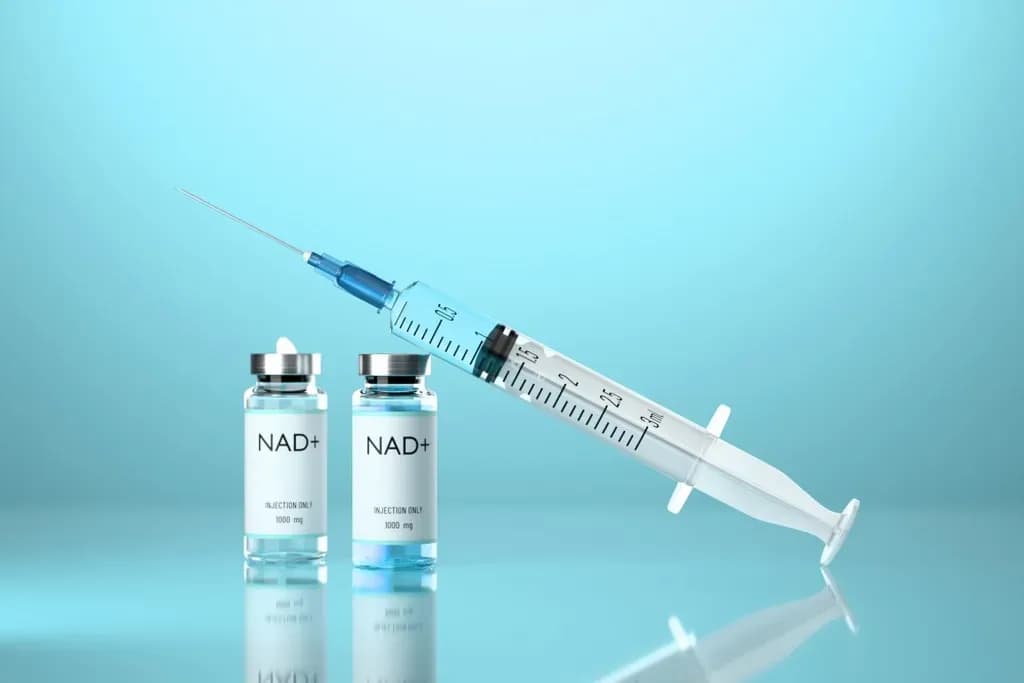
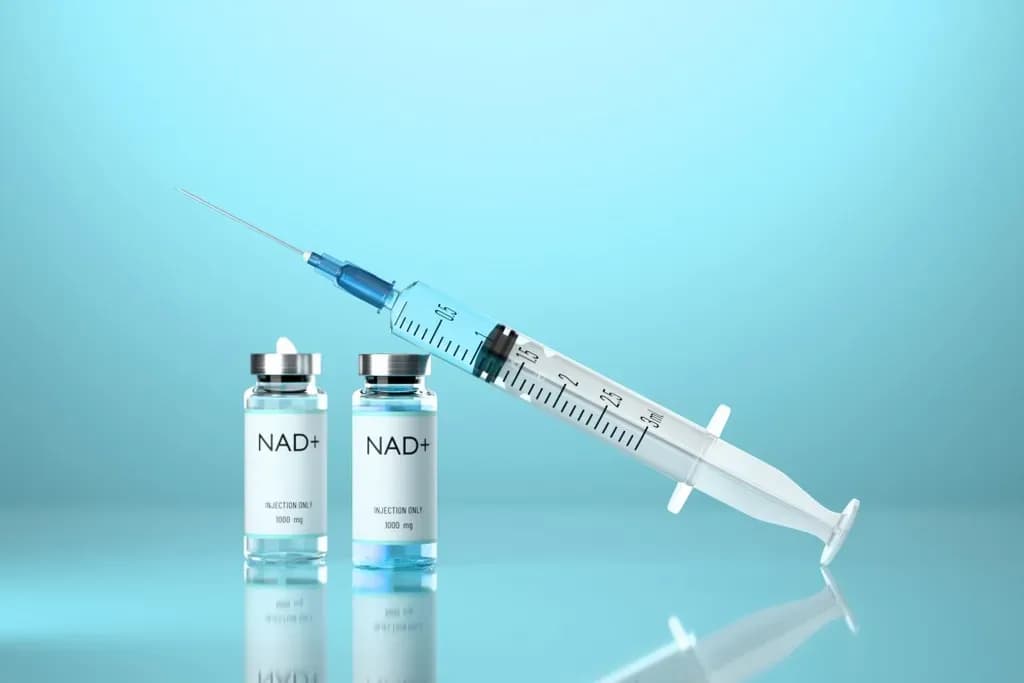
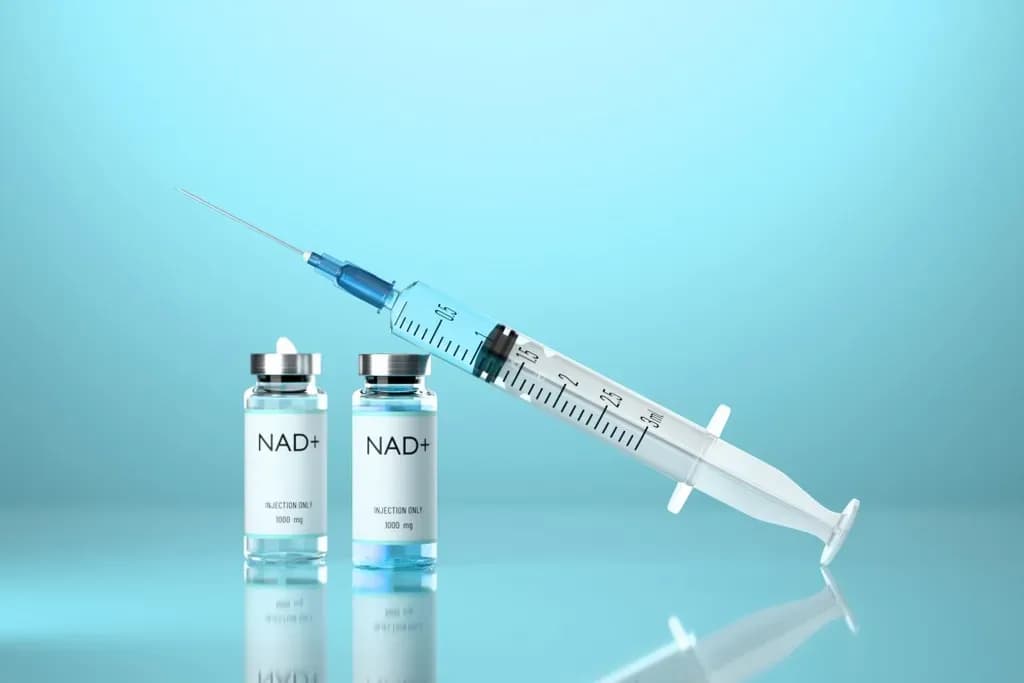
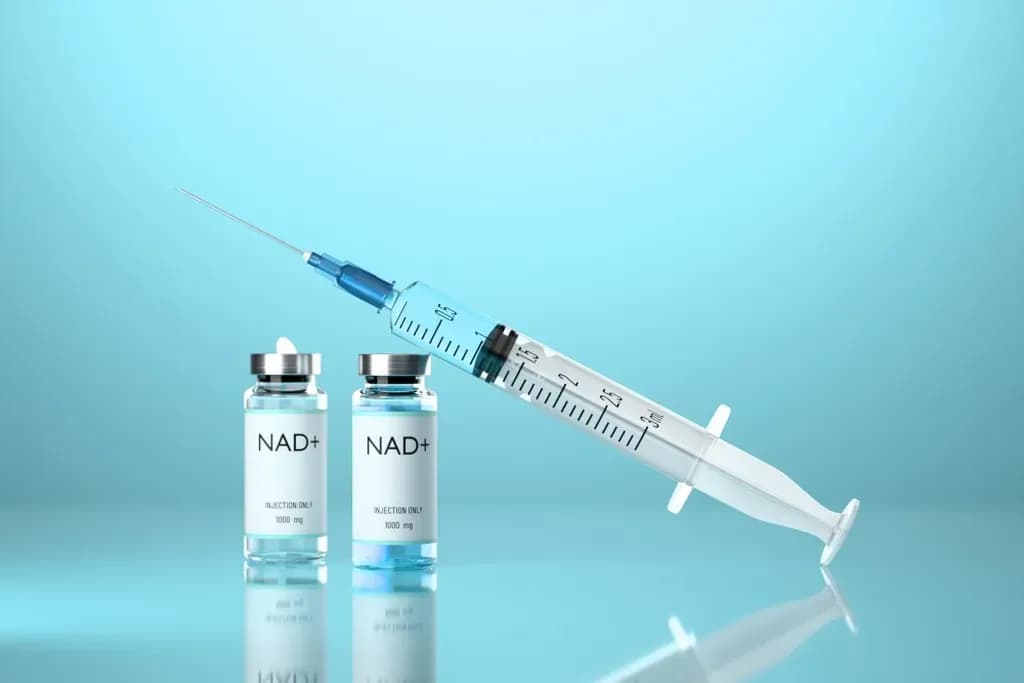
Skin Rejuvenation IV Korea in Seoul refers to an intravenous treatment approach that may include selected vitamins, antioxidants, and supportive nutrients, depending on the patient's needs and the clinician's assessment. Patients often explore this treatment when they want medically supervised support for skin wellness, recovery, or general appearance-related concerns. Because individual needs, medical history, and treatment goals can vary, a clinician-led consultation is an important first step.
Skin rejuvenation IV treatment is not a one-size-fits-all service. In a clinic setting, the focus should be on careful screening, discussion of symptoms or concerns, and review of whether IV-based support is appropriate for the patient. The exact formulation, treatment frequency, and suitability may differ based on individual variation, current health status, medications, allergies, and prior treatment history.
This type of treatment may be considered by patients who are looking for a consultation-led option rather than self-directed supplementation. However, it is important to understand that IV treatment is not a guaranteed solution for skin concerns and may not be suitable for everyone. A qualified clinician should assess whether the treatment aligns with the patient's needs and whether another approach may be more appropriate.
Some patients may be candidates for skin rejuvenation IV treatment if they are seeking medically supervised supportive care and are appropriate for IV therapy after screening. Candidacy may depend on factors such as overall health, hydration status, medical conditions, medication use, allergy history, pregnancy or breastfeeding status, and the reason for seeking treatment.
Patients with certain health concerns, a history of reactions, or contraindications to IV therapy may need a different plan or may be advised not to proceed. This is why consultation and screening matter. The goal is to determine whether treatment may be reasonable, not to promise a particular cosmetic or medical outcome.
Love this Clinic! My husband got lifting and his skin looks amazing now, plus they have some snaks and English translator for your consultation 🫶🏻.
7 months agoI recently visited Dami Clinic and had a really great experience! The staff were extremely kind and welcoming, which made me feel very comfortable from the beginning. The doctor was not only kind but also very professional, explaining everything clearly and carefully. I especially enjoyed my Sylfirm X treatment, which helps with redness and pores. The whole process was smooth. I would definitely recommend Dami Clinic to anyone looking for professional skin care with a warm and friendly atmosphere! 🌸
9 months agoMy experience was amazing! I really loved the Body ONDA treatment on my arms — I could see and feel a difference right away. ✨ I definitely recommend trying it if you visit this clinic! 👌
3 weeks agoi wanted to wait a little bit and see rhe results and omg my skin is perfect thanks to this clinic ! my skin is sooo smooth and shiny 🥺 the staff is super nice and can speak english. i definitely recommend it especially if it's your first time in a korean clinic 😊 also darkskin friendly 🌸✨
8 months agoAfter getting Rejuran, my makeup stopped looking patchy and flaky as much as before. My skin texture feels a lot smoother and more refined now, so I'm honestly really satisfied with the results!
2 weeks agoThe process usually begins with a consultation. During this visit, the clinician may ask about your concerns, medical history, current medications or supplements, allergies, and previous treatments. Depending on the clinic's assessment process, screening may be used to help determine whether treatment is appropriate.
If you are considered a suitable candidate, the clinician can explain the proposed treatment approach, what the appointment may involve, possible limitations, and what kind of follow-up may be recommended. During treatment, an IV is placed and the infusion is administered under clinical supervision. The exact experience can vary from patient to patient.
As with other IV-based treatments, skin rejuvenation IV therapy may involve limitations and possible side effects. These can include discomfort at the injection site, bruising, swelling, dizziness, nausea, or other reactions. Some patients may tolerate treatment well, while others may be advised to stop or avoid treatment based on screening findings or how they respond.
Not every patient is a candidate, and not every skin concern is best addressed with IV therapy. A consultation is important for identifying contraindications, discussing realistic expectations, and understanding when another treatment path or medical evaluation may be more appropriate. Patients should always disclose relevant medical history and ask questions before proceeding.
After treatment, patients may be advised to monitor how they feel, follow clinic guidance, and contact the clinic if they notice concerning symptoms or unexpected reactions. Aftercare instructions can vary depending on the patient's health profile and the treatment provided.
Some patients may benefit from follow-up, especially if they have questions about response, tolerance, or whether additional review is needed. Follow-up care helps keep the process medically responsible and allows the clinician to assess individual variation over time.
If you are considering Skin Rejuvenation IV Korea in Seoul, the next step is to arrange a consultation at Dami Skin Clinic Seoul. A clinician can review your concerns, discuss whether treatment may be appropriate, explain possible side effects and limitations, and guide you on suitable next steps based on your individual needs.

Some patients may be candidates if they are seeking clinician-led IV treatment and are medically appropriate after consultation and screening. Suitability can depend on overall health, medical history, medications, allergies, and the reason for seeking treatment. Because individual variation matters, candidacy should be confirmed by a qualified clinician rather than assumed in advance.
Patients with certain medical conditions, allergy concerns, previous reactions to IV therapy, or other contraindications may need additional review or may be advised not to proceed. Pregnancy, breastfeeding, current illness, and medication use are also important to discuss. A consultation helps identify whether treatment is appropriate and whether another option may be safer.
The consultation usually includes a discussion of your concerns, treatment goals, medical history, medications or supplements, allergies, and previous treatments. The clinician may explain how the treatment works, whether it may be appropriate in your case, possible side effects, limitations, and what follow-up may be recommended.
If you are considered a suitable candidate, the treatment is typically given by IV in a clinical setting under supervision. The clinician or care team will explain the steps before starting. The exact process can vary depending on the treatment plan and your individual needs.
Appointment length can vary depending on the consultation needs, screening process, and the treatment plan selected by the clinician. Because treatment details differ from patient to patient, the clinic can give more specific guidance during booking or consultation.
Response can vary from one patient to another. Some patients may feel they notice changes sooner than others, while some may need further review to assess whether the treatment is suitable for their goals. It is important not to assume a guaranteed or uniform result, and your clinician can discuss realistic expectations during consultation.
Possible side effects may include discomfort at the IV site, bruising, swelling, dizziness, nausea, or other reactions. Side effects and tolerance can vary based on the patient and the treatment provided. You should tell the clinic promptly if you feel unwell during or after treatment.
Aftercare instructions may vary, so it is important to follow the clinic's guidance. Patients may be advised to monitor how they feel, stay aware of any unexpected symptoms, and contact the clinic if they have concerns. Individual aftercare recommendations should come from the treating clinician.
Some patients may benefit from follow-up, especially if they have questions about tolerance, response, or next steps. Follow-up care can help the clinician review individual variation and decide whether any further assessment or guidance is needed.
The safest way to decide is through a consultation. A qualified clinician can review your concerns, explain the treatment process, discuss possible risks and limitations, and help determine whether this treatment may be appropriate for your situation.

What are you interested in:
Working Hours:
Monday/Wednesday/Thursday : 10:00 – 19:00
Tuesday/Friday : 10:00 – 21:00
Saturday : 10:00 – 15:00
Lunch Break : 13:00 – 14:00
Last appointment is one hour before closing.
When using the subway
From Saetgang Station (Line 9 or Sillim Line)
Walk straight out of Exit 2 until you reach a corner. It is the building on the other side of the street on your left. Got to the black door on the left of the Mammoth Coffee place and go up to 9TH FLOOR.