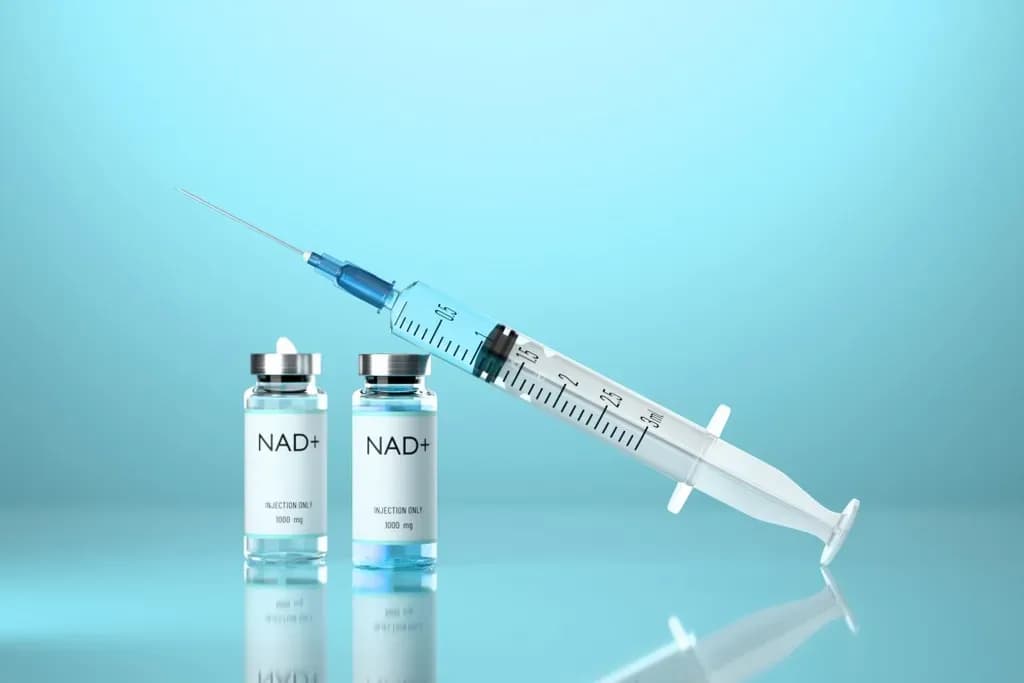
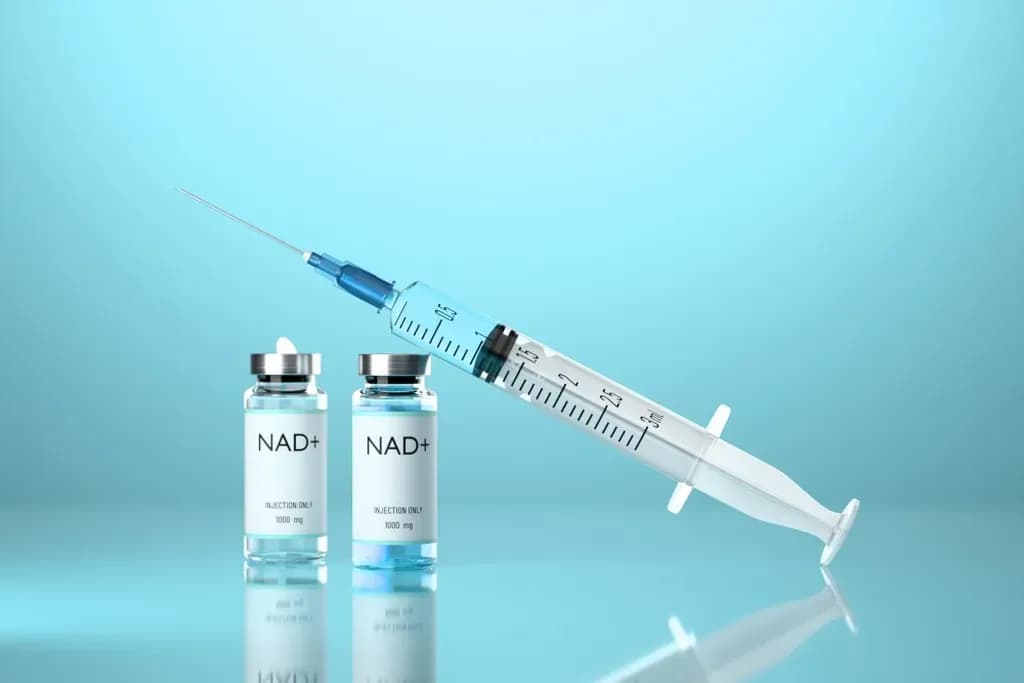
Skin Whitening IV Korea in Seoul refers to an intravenous treatment approach that may include antioxidant ingredients such as glutathione and vitamin C, depending on the clinic’s protocol and the patient’s consultation. Patients often ask about this treatment when they want to understand whether it may be appropriate for their skin concerns, how it is given, and what kind of follow-up may be needed. Because individual health factors, skin goals, and treatment history can vary, a consultation is an important first step before deciding whether this treatment is suitable.
Skin Whitening IV treatment overview and medical context
Skin Whitening IV treatment is generally discussed in the context of supportive skin care and antioxidant-based intravenous therapy. The exact formulation, frequency, and suitability can differ from one patient to another. A qualified clinician may review your medical history, current medications, allergies, and treatment goals before recommending whether this approach is appropriate. It is important to understand that responses can vary, and treatment should be considered with realistic expectations and medical guidance.
Who may be a candidate for Skin Whitening IV treatment?
Some patients may ask about this treatment if they are exploring supportive options for overall skin appearance or want to discuss antioxidant-based IV care. Candidacy depends on factors such as general health, past reactions to IV treatments, current medical conditions, pregnancy or breastfeeding status, and any medications or supplements being used. Patients with certain health concerns may need additional screening or may be advised to consider other options. A consultation helps determine whether treatment is appropriate for your situation.
Consultation and treatment process
The process usually begins with a consultation. During this visit, the clinic may ask about your concerns, medical background, previous treatments, and any symptoms or sensitivities that could affect treatment planning. If treatment is considered appropriate, the clinician can explain the proposed ingredients, how the IV is administered, and what monitoring or follow-up may be recommended. The treatment itself is typically given through an intravenous line in a clinical setting, with attention to patient comfort and observation during the visit.
Safety, limitations, side effects, and contraindications
As with many medical or aesthetic treatments, Skin Whitening IV treatment may not be suitable for everyone. Possible side effects can include bruising, discomfort at the injection site, lightheadedness, nausea, or other reactions depending on the ingredients used and the individual patient. There may also be contraindications related to allergies, underlying medical conditions, kidney concerns, or other factors that should be reviewed by a clinician. This treatment should not be viewed as a guaranteed result, and patients should seek doctor guidance if they have questions about safety, expected response, or whether another treatment path may be more appropriate.
Aftercare and follow-up expectations
After treatment, patients may be advised to monitor how they feel, stay hydrated if appropriate, and follow any clinic-specific instructions. Follow-up needs can vary depending on the patient’s response, treatment plan, and whether additional visits are being considered. If you notice unexpected symptoms or have concerns after your appointment, it is important to contact the clinic promptly for guidance. Ongoing review may help determine whether continued treatment is appropriate or whether adjustments should be discussed.
Book a consultation at Dami Skin Clinic Seoul
If you are considering Skin Whitening IV Korea in Seoul, the next step is to arrange a consultation. A clinician can review your goals, explain the treatment process, discuss possible side effects and limitations, and help you decide whether this option may be suitable for you.