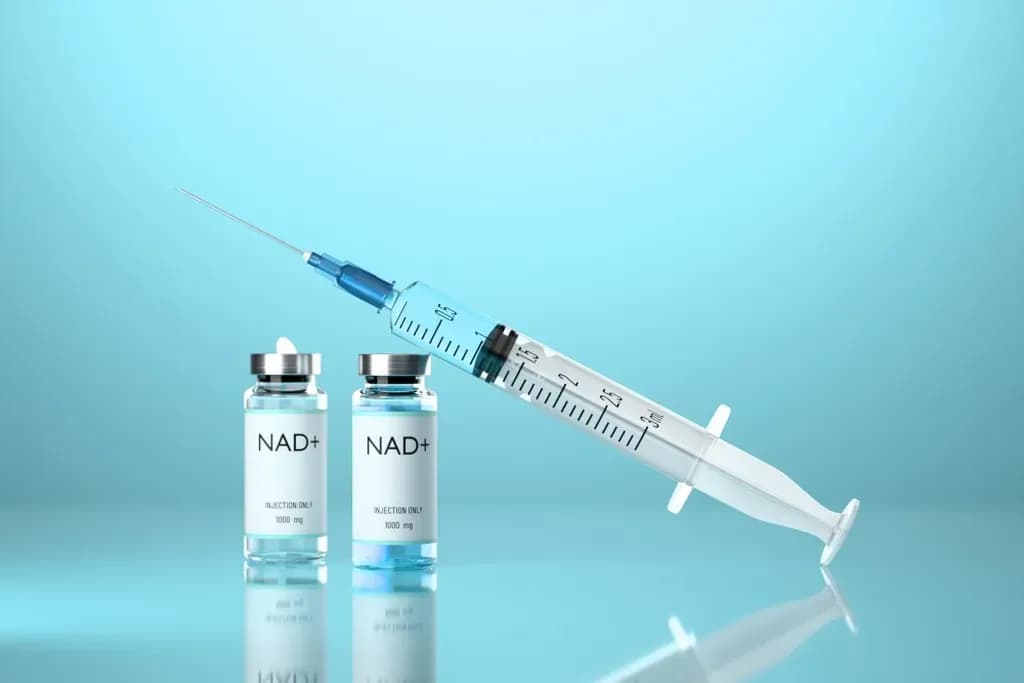
Wellness IV Therapy Korea in Seoul refers to a medically supervised intravenous nutrient treatment that may be considered by patients seeking supportive wellness care. At Dami Skin Clinic Seoul in Yeouido, treatment begins with consultation and screening so a clinician can review symptoms, goals, medical history, and whether IV therapy is appropriate.
Wellness IV Therapy Korea: Treatment Overview
Wellness IV therapy is designed to deliver fluids and selected nutrients by IV under clinical supervision. Patients may ask about this treatment when they are looking for supportive care related to general wellness, hydration, or temporary fatigue. However, IV therapy is not a substitute for diagnosis, routine medical care, or treatment of an underlying condition. The most appropriate approach depends on the individual, which is why consultation is important.
Who May Be a Candidate
Some patients may be candidates for wellness IV therapy after a clinician reviews their health status and treatment goals. Suitability can vary based on current symptoms, medications, allergies, prior reactions, and relevant medical conditions. Patients who are pregnant, breastfeeding, managing chronic illness, prone to fluid balance issues, or unsure whether IV therapy is appropriate should discuss this during consultation before proceeding.
Consultation and Treatment Process
A consultation typically comes first. During this visit, the clinic can review your concerns, medical background, and whether wellness IV therapy is a reasonable option. If treatment is considered appropriate, the clinician may explain the planned IV, what it is intended to support, and what you may expect during the visit. The treatment itself is generally performed in a clinical setting with monitoring and instructions from the medical team.
Safety, Limitations, Side Effects, and Contraindications
As with any medical treatment, wellness IV therapy has limitations and may not be suitable for everyone. Possible side effects can include discomfort at the injection site, bruising, swelling, lightheadedness, nausea, or other reactions depending on the individual. More significant concerns may require prompt medical attention. Patients should tell the clinic about medical conditions, medications, allergies, and previous treatment reactions so risks can be reviewed carefully. A consultation helps determine whether treatment should proceed, be modified, or be avoided.
Aftercare and Follow-Up
After treatment, patients may be advised to rest, stay aware of how they feel, and follow any clinic instructions. If there is persistent discomfort, swelling, dizziness, or another concerning symptom after the visit, patients should contact the clinic or seek appropriate medical care. Follow-up may be recommended depending on the reason for treatment, response, and whether additional review is needed.
When to Consult a Qualified Clinician
Patients should seek professional guidance if they are unsure whether wellness IV therapy fits their needs, have ongoing fatigue or other unexplained symptoms, or have a medical history that could affect treatment safety. A proper consultation can help clarify candidacy, expected process, possible side effects, and whether another medical evaluation may be more appropriate.
Book a Consultation
If you are considering Wellness IV Therapy Korea in Seoul, the next step is to arrange a consultation at Dami Skin Clinic Seoul. A clinician can review your goals, explain the process, and help you decide whether this treatment may be appropriate for you.